
You Need a Creed
If you don’t name your creed, the work will name it for you.

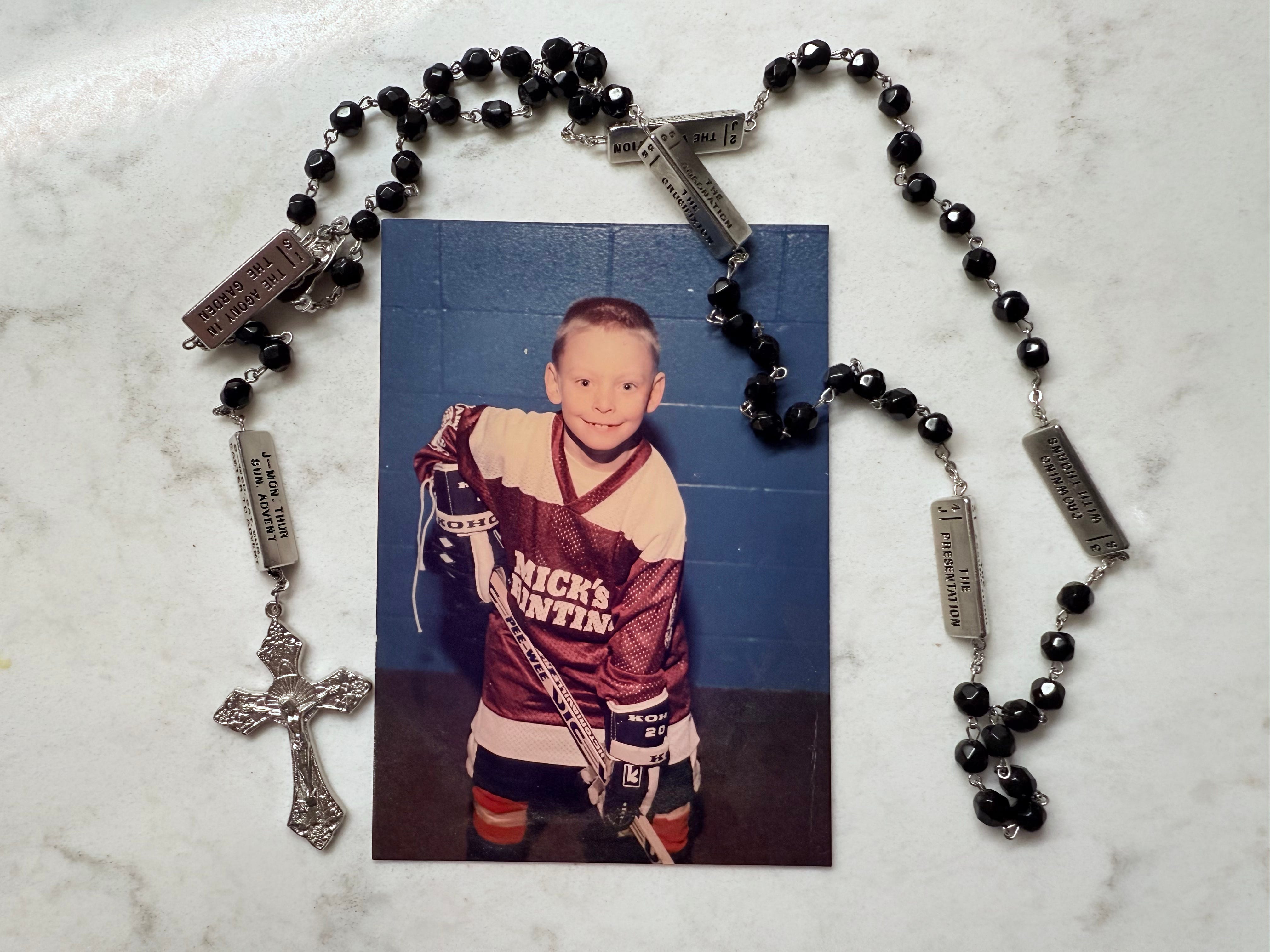
When I was eight or nine, I sat across from a woman in all black, a clipboard in her lap, and a silence that made me sweat.
She was testing me.
Sort of.
It was part of the faith tradition I grew up in. The assignment was to memorize and then read aloud a statement of belief. A list of convictions. A creed.
I stammered through it. Missed lines. Got words out of order. Eventually, she looked up from her clipboard and said, flatly:
“Blaine, this isn’t just something to memorize. This is what we believe.”
That sentence landed harder than I understood at the time.
Whether or not you were raised in a faith tradition like mine, most of us, especially those of us who make things, live by some creed. It might not be written down. It might not start with “We believe.” It might not even be something we can outwardly articulate.
But it’s there.
It’s what steadies you when the pitch falls flat.
It’s what holds you when the project collapses.
It’s what gets you back to the desk, stage, or the sketchpad when everything in you wants to quit.
Last week, I talked about how all art is confession. This week, I’m talking about creeds. Let’s jump right in!
For years, my creed was simple: Make beautiful things.
It felt good. Noble. Clean. And for a long time, it worked.
Until one day my friend Jarrod asked, “Why?”
“Because I’m an artist,” I said. “That’s what we do.”
Then, like any great best friend, he asked the kind of question that makes you rethink everything…and also makes you want to punch him in the nuts.
“Right,” he said. “But why do you want to make beautiful things?”
I didn’t have an answer.
Eventually, I realized I wasn’t just trying to create something beautiful. I was trying to speak to something unfinished.
At first, I thought it was just the world—the ache, the injustice, the frayed edges of relationships and systems. But over time, through therapy, burnout, recovery, and the quiet of that two-year deep dive in Seattle, I started to see it wasn’t just the world that needed work.
I did too.
Of course, I wouldn’t have said it like that back then. But the panic attacks, the sleepless nights, the decision to walk away from the stage all pointed to a deeper truth: I was coming undone. And in that unraveling, I began to see the gaps. The wounds. The parts of me that were still forming.
Strangely, that realization didn’t make me want to stop creating. It made me want to start again—but from a different place. A truer place. I began to understand that beauty wasn’t just about aesthetics or polish. It was about presence. It was about telling the truth that something isn’t finished… and choosing to make it anyway.
I don’t believe the world is broken beyond repair.
I believe it’s still being made.
And I believe the same is true for me.
That idea—that creative work can be a way of participating in the world's ongoing, unfinished beauty—became a kind of internal compass.
Make beautiful things, because the world isn’t finished.
That became my creed. Not a catchphrase, not a clever line—something lived. A conviction that carried me through the unknown and that still helps me stay centered when the work feels uncertain, or when I start drifting toward performance instead of presence.
It reminds me that the work doesn’t have to be perfect. It just has to be true.
But over time, especially as our lives got bigger—more kids, more risk, more uncertainty—I needed something more specific. Something that spoke not just to the work but also to the way I wanted to live while making it.
The lines came slowly.
Some I wrote. Some I lived into.
Some eventually became missives whispered into the backseat to my daughters again and again before morning drop-off.
It was during one of those moments, in the summer of 2019, that it all came into focus.
I brought Ruby, our oldest, to her first volleyball camp. She was tall, strong, and, like most kids her age, nervous. We walked into the gym and I could tell immediately: she was the youngest one there. The smallest. The only one without the high ponytail confidence of middle school.
I sat with her on the bleachers and covertly snapped a photo of her biting her lip. Her heart was pounding, and she looked like she might float away.
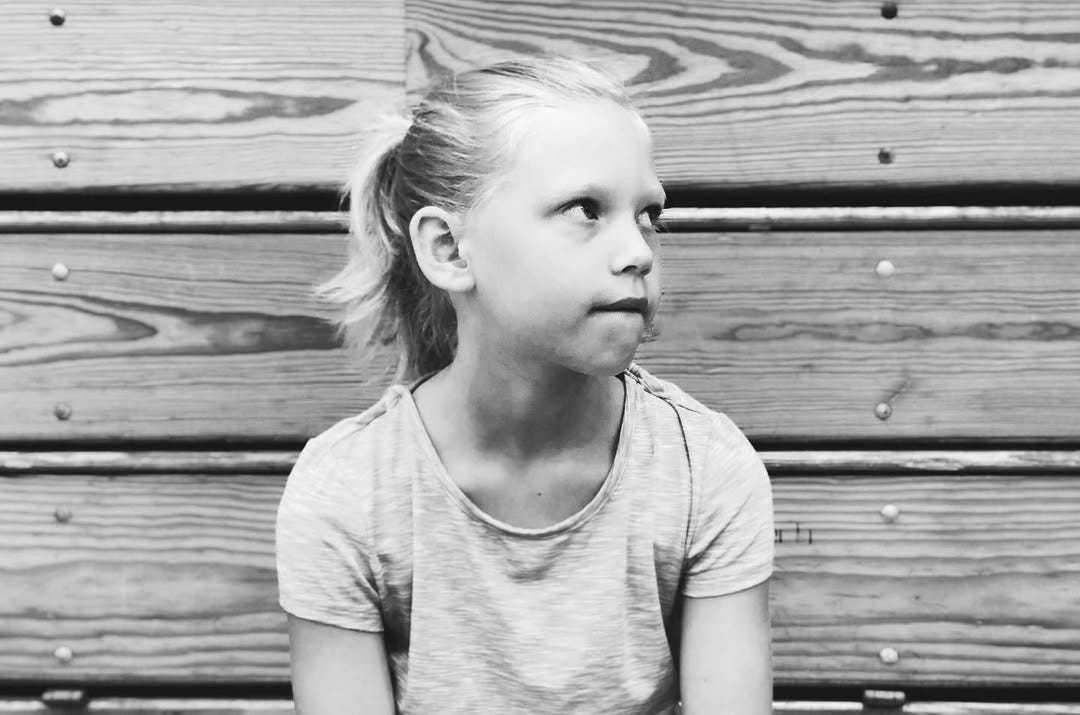
I knelt, looked her in the eyes, and whispered the same three things I’d been saying for years:
Be kind. Have courage. Fail.
But the fear didn’t move.
And that’s when it hit me: fear doesn’t always go away. Sometimes it’s just something we carry with us.
That was the moment I added a fourth line:
Do it afraid.
She nodded. Quietly. And walked onto the court.
Before I left, I turned to look back. She found my eyes and gave me a thumbs-up. I returned the gesture and nearly collapsed into a puddle of dad tears.
That moment became more than a motto. It became something we built our home on.
Eventually, I made it the second-to-last chapter of my book. My good old friend, Lindsey Letters, created the design for the book launch—something simple, striking, and full of heart.
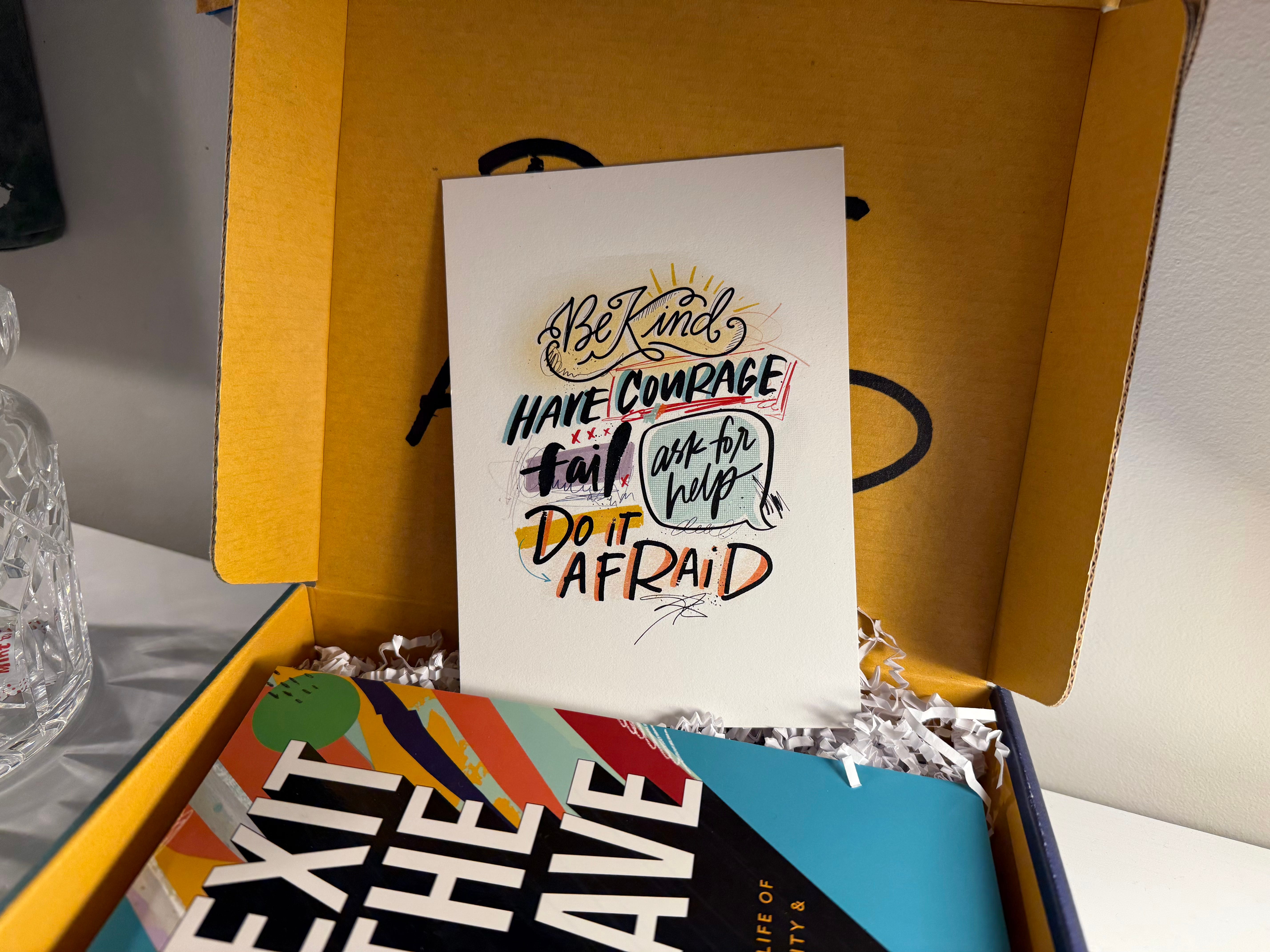
And when we moved to this little town outside Atlanta, I decided to take it one step further. I commissioned local artist, another Lindsey, to bring the words to life as a 10-foot mural in our neighborhood. A visual reminder—for me, for my family, for anyone passing by—that this isn’t just a motto. It’s a way of being. A creed you can live inside.
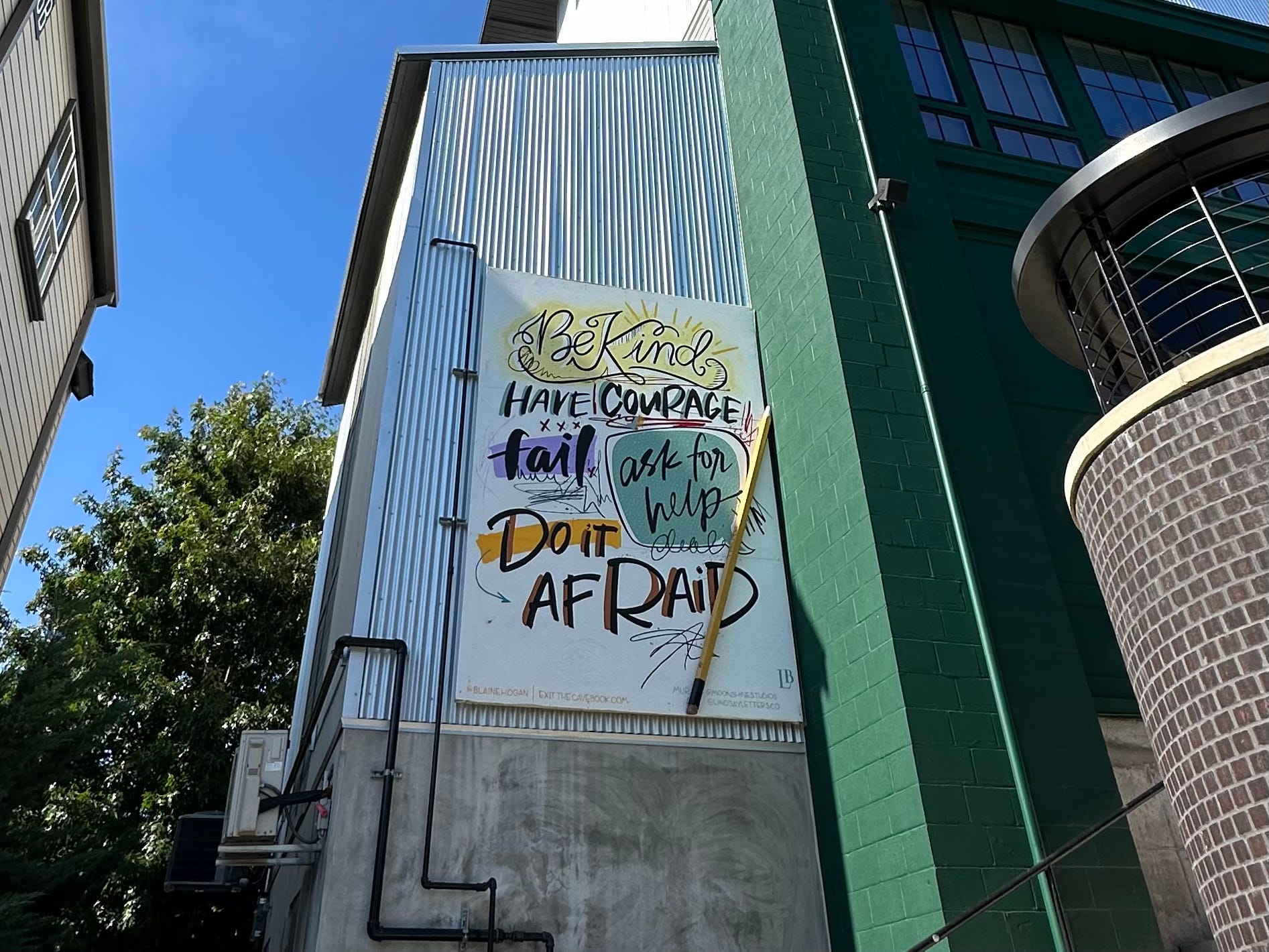
Today, this is the creed I live by—and return to often:
Be kind.
Have courage.
Fail.
Ask for help.
Do it afraid.
Each of those lines has been tested.
Each one continues to cost something.
Be kind — even when you’re disappointed or shut out.
Have courage — when the call comes and you’re not sure you’re ready.
Fail — because it’s part of the rhythm. Not a detour.
Ask for help — especially when everything in you wants to go it alone.
Do it afraid — because fear is often a sign you’re right where you’re supposed to be.
This isn’t a brand. It’s a belief. And it’s shaping more than just my creative work. It’s shaping my whole life.
The way I parent.
The way I pitch.
The way I sit in uncertainty and still try to make something honest.
That’s what a real creed does. It starts as a whisper—something half-formed you can barely speak out loud. Maybe, like me, you stumbled through the first one. Maybe you forgot the words or fumbled the order. Maybe you still are.
But over time, if you keep showing up, if you keep telling the truth, your creed evolves.
It becomes the way you walk into a room.
The way you take the shot.
The way you ask for help.
The way you work.
So no, you don’t need to start with something perfect. But you do need to start with something true because your work is already confessing something.
It’s already saying what you believe—about the world, about yourself, about what matters.
The question isn’t whether you have a creed.
The question is: Have you named it?